Kissing Font: Elegant Script for Editorial Design
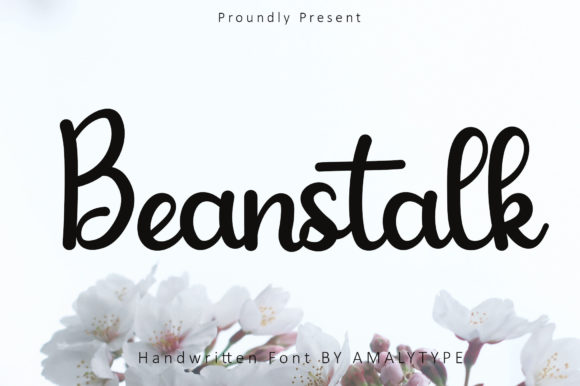
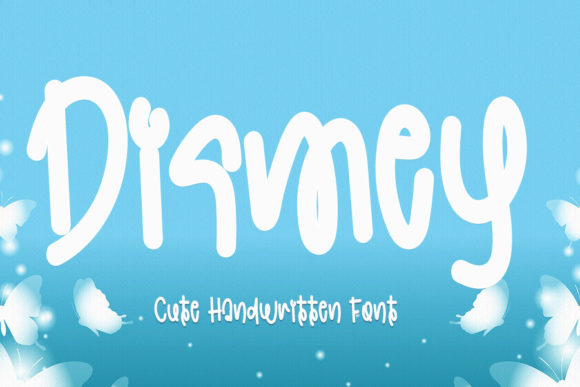
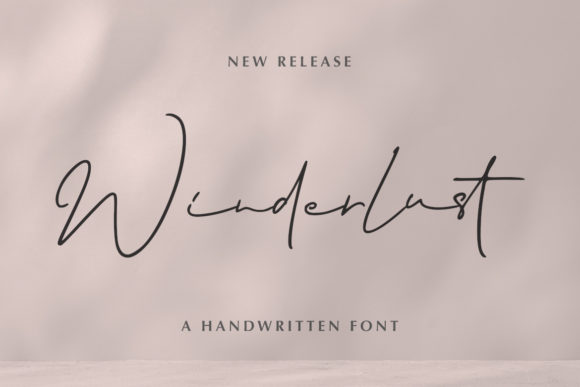
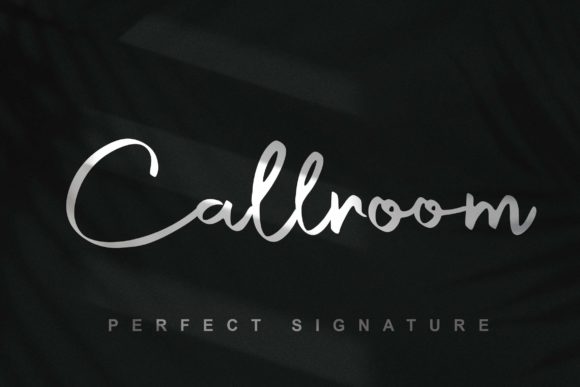
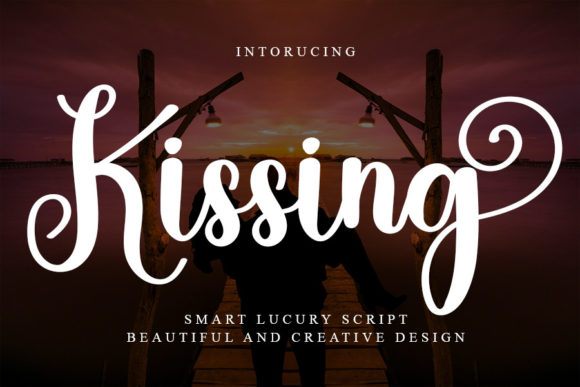
Kissing is a simple and casual handwritten font that brings a touch of class and modernity to any design project. As a Script Handwritten typeface, it offers a unique blend of calligraphic elegance and contemporary appeal, making it an ideal choice for publishers, bloggers, and editorial designers seeking to elevate their content's visual presence.
Kissing for Blog Headers and Magazine Covers
Kissing is a versatile Script Handwritten font that shines when used in blog headers and magazine covers. Its flowing lines and soft curves add a personal, inviting feel that draws readers in. Whether you're designing a lifestyle blog or a digital magazine, Kissing can serve as the perfect headline font, offering a fresh and stylish alternative to more traditional typefaces.
For instance, a food blog could use Kissing for its main title, creating a warm and approachable vibe that complements recipes and cooking tips. Similarly, a fashion magazine might employ Kissing on its cover to convey a sense of sophistication and trendiness without sacrificing readability.
Enhancing Visual Hierarchy with Kissing
When used strategically, Kissing can help establish a clear visual hierarchy in your content. Its natural flow makes it ideal for headings, subheadings, and pull quotes, allowing you to guide readers through your layout with ease. The font’s subtle variations in weight and spacing ensure that it remains legible even at larger sizes, making it suitable for both print and digital formats.
Consider using Kissing for section titles in an ebook or newsletter. Its elegant script style adds a touch of personality while maintaining a professional appearance. Pairing it with a clean sans serif font for body text can create a balanced look that enhances readability without overwhelming the reader.
Kissing for Ebook Titles and Printable Guides
Kissing is a premium font that excels in ebook titles and printable guides. Its handwritten aesthetic gives a personal, artisanal feel that resonates with readers looking for something unique. Whether you're publishing a self-help book, a recipe collection, or a creative writing guide, Kissing can help set the tone and reinforce your brand identity.
For example, a printable planner could feature Kissing on its cover and throughout its pages, adding a touch of charm and consistency. The font’s versatility allows it to work well in both bold and light weights, making it adaptable to different design needs.
Supporting Brand Identity with Kissing
As a Script Handwritten font, Kissing is an excellent tool for building a strong brand identity. Its distinctive style can be used across multiple platforms, from social media graphics to packaging design, ensuring a cohesive and recognizable look. This consistency helps readers connect with your content on a deeper level, reinforcing trust and engagement.
For content creators, Kissing can be a powerful asset in their design toolkit. It can be used to craft eye-catching headlines, promotional banners, and lead magnets, all while maintaining a professional and polished appearance. Its ability to convey emotion and personality makes it particularly effective for projects targeting niche audiences.
Kissing for Quote Graphics and Social Media Posts
Kissing is a creative font that works exceptionally well for quote graphics and social media posts. Its flowing lines and organic shape make it ideal for displaying inspirational messages, motivational sayings, and thought-provoking statements. When paired with a minimalist background, Kissing can create a striking visual that captures attention and encourages shares.
For instance, a wellness coach might use Kissing to design a series of Instagram posts featuring daily affirmations. The font’s elegant yet casual nature adds a personal touch that resonates with followers, making the content more relatable and engaging. Similarly, a designer could use Kissing to create a series of motivational posters for a digital product or online course.
Optimizing Readability with Kissing
While Kissing is primarily a display font, it can also be used effectively in smaller sizes with careful consideration. For longer text, it’s best to pair it with a readable serif or sans serif font to ensure clarity and comfort. However, when used as a headline or accent text, Kissing maintains its legibility across various mediums, including screens, mobile devices, and printed materials.
Designers should also consider the font’s multilingual support if their audience includes non-English speakers. Kissing’s clean structure and consistent stroke weight make it suitable for a wide range of languages, ensuring that it remains a reliable choice for global publications.
Kissing for Wedding Guides and Creative Projects
Kissing is a popular choice for wedding guides, invitations, and other creative projects that require a touch of elegance. Its classic calligraphic influences give it a timeless quality that pairs well with romantic themes and floral motifs. Whether you’re designing a wedding website, a printable wedding checklist, or a bridal blog, Kissing can add a refined and personalized touch to your work.
For example, a digital wedding planner could use Kissing for its title and key sections, creating a cohesive and visually appealing layout. The font’s versatility allows it to work in both bold and delicate styles, making it adaptable to different design preferences and project requirements.
Font Pairing and Commercial Licensing
When using Kissing in editorial design, it’s important to consider font pairing to achieve a balanced and harmonious look. Pairing it with a clean, neutral font like Georgia or Open Sans can enhance readability while preserving the font’s unique character. This combination is especially effective for newsletters, magazines, and ebooks where both aesthetics and functionality are essential.
Before incorporating Kissing into commercial projects, such as paid newsletters, client publications, or digital downloads, designers should verify the font’s licensing terms. Ensuring proper commercial use is crucial for avoiding legal issues and maintaining the integrity of your design work.